Lockheed Martin and Albany Engineered Composites Partner to Scale Hypersonic Production
BY Composights
Published: 11 Aug 2026
Share :


Lockheed Martin and Albany Engineered Composites (AEC) have signed a teaming agreement aimed at accelerating the production of hypersonic systems for the U.S. Department of War, combining Lockheed Martin's systems integration capabilities with AEC's advanced composite manufacturing expertise.
Announced on August 10, 2026, the agreement is intended to position the companies to pursue upcoming full-rate production opportunities for U.S. hypersonic weapons programs. The partnership addresses the growing requirement for reliable and cost-effective hypersonic capabilities that can be manufactured at higher rates.
A key element of the collaboration is the use of advanced composite structures, which are increasingly important in hypersonic systems because they can provide the combination of low weight, high strength, thermal resistance, and structural durability required for extreme flight environments.
AEC, a segment of Albany International, brings specialized composite manufacturing capabilities and an agile production approach to the partnership. Lockheed Martin, meanwhile, contributes decades of experience in systems integration and the development of operational defense technologies.
The companies said the agreement establishes a flexible framework with defined responsibilities and cost structures, allowing the partners to respond to changing program requirements and government priorities while reducing production risks.
By pairing our experience in system integration and battle-ready engineering with Albany s cutting-edge composite production, we are accelerating the delivery of critical technologies to bolster the Arsenal of Freedom and strengthen our defense industrial base, said Johnathon Caldwell, vice president and general manager of Strategic and Missile Defense Systems at Lockheed Martin.
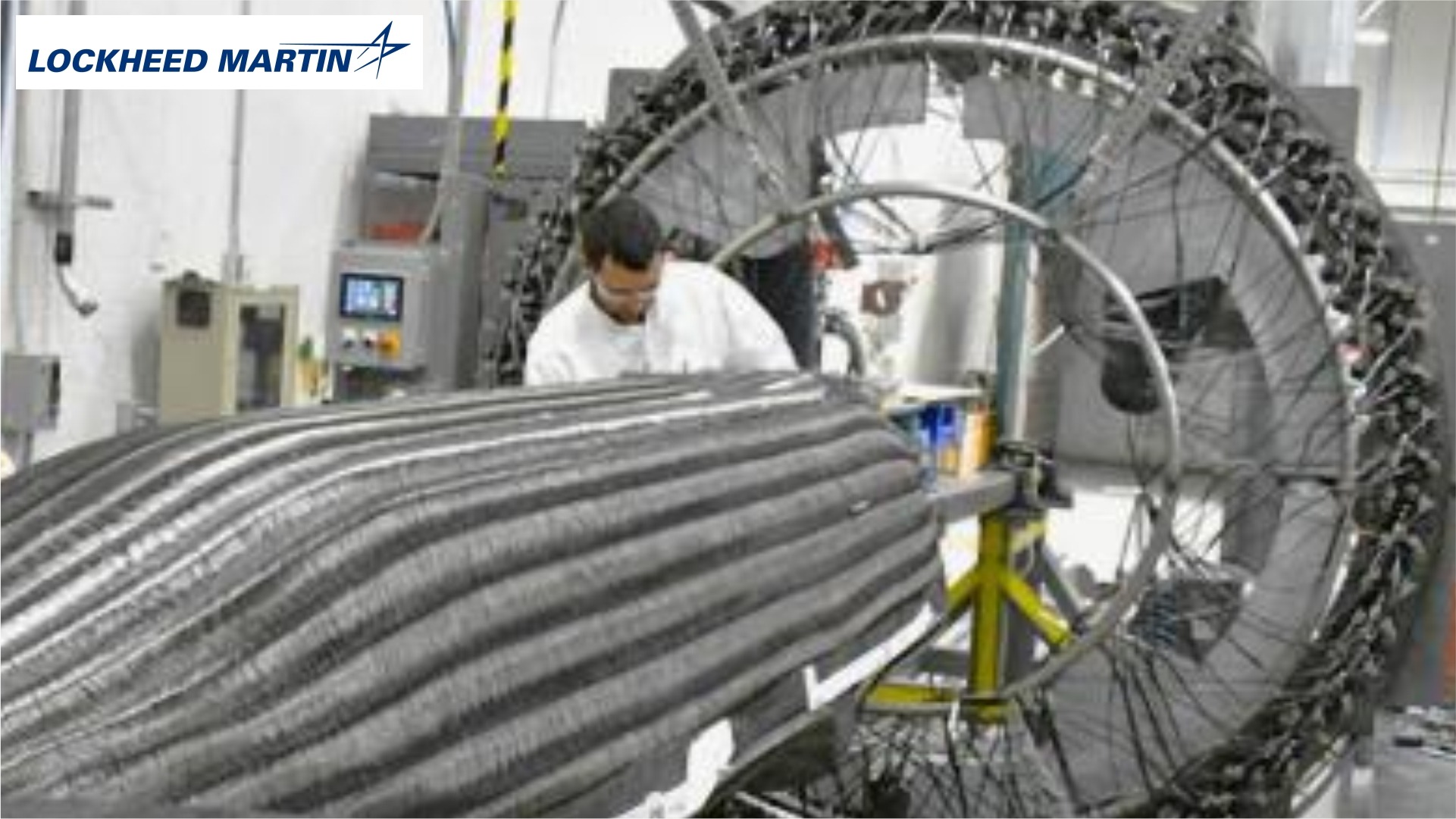
Chris Stone, president of Albany Engineered Composites, highlighted the importance of manufacturing capacity alongside technological development in the hypersonics sector.
The future of hypersonics depends on more than breakthrough design it requires the ability to manufacture advanced composite structures at unprecedented scale, Stone said.
The collaboration is therefore focused not only on developing advanced hypersonic technologies but also on establishing the manufacturing capacity required to transition those technologies into higher-rate production. This could be particularly important as the U.S. defense sector seeks to expand domestic manufacturing capabilities for next-generation weapons.
The agreement strengthens the role of composites in hypersonic manufacturing, where advanced materials can help engineers address demanding requirements related to weight, structural performance, and high-temperature operating environments. By combining Lockheed Martin's system-level expertise with AEC's composite production capabilities, the companies aim to create a scalable pathway for future hypersonic programs.
The partnership also supports broader efforts to strengthen the U.S. defense industrial base by expanding domestic capacity for the production of complex composite structures and accelerating the transition of hypersonic technologies from development toward operational deployment.
Source: Lockheed Martin | News