Dow and Adient Introduce Bio-Circular Polyurethane Foam for Automotive Seating
BY Composights
Published: 06 Aug 2026
Share :


Dow and Adient have introduced SPECFLEX REN, a new bio-circular polyurethane seating foam designed to help automotive manufacturers reduce the carbon footprint of vehicle interiors without compromising performance or comfort.
The material incorporates up to 20% renewable feedstock through a mass-balance approach certified under the ISCC PLUS framework. By replacing a portion of conventional fossil-based raw materials with renewable alternatives, the new foam enables automakers to improve the sustainability profile of seating systems while maintaining the processing characteristics and mechanical properties required for large-scale vehicle production.
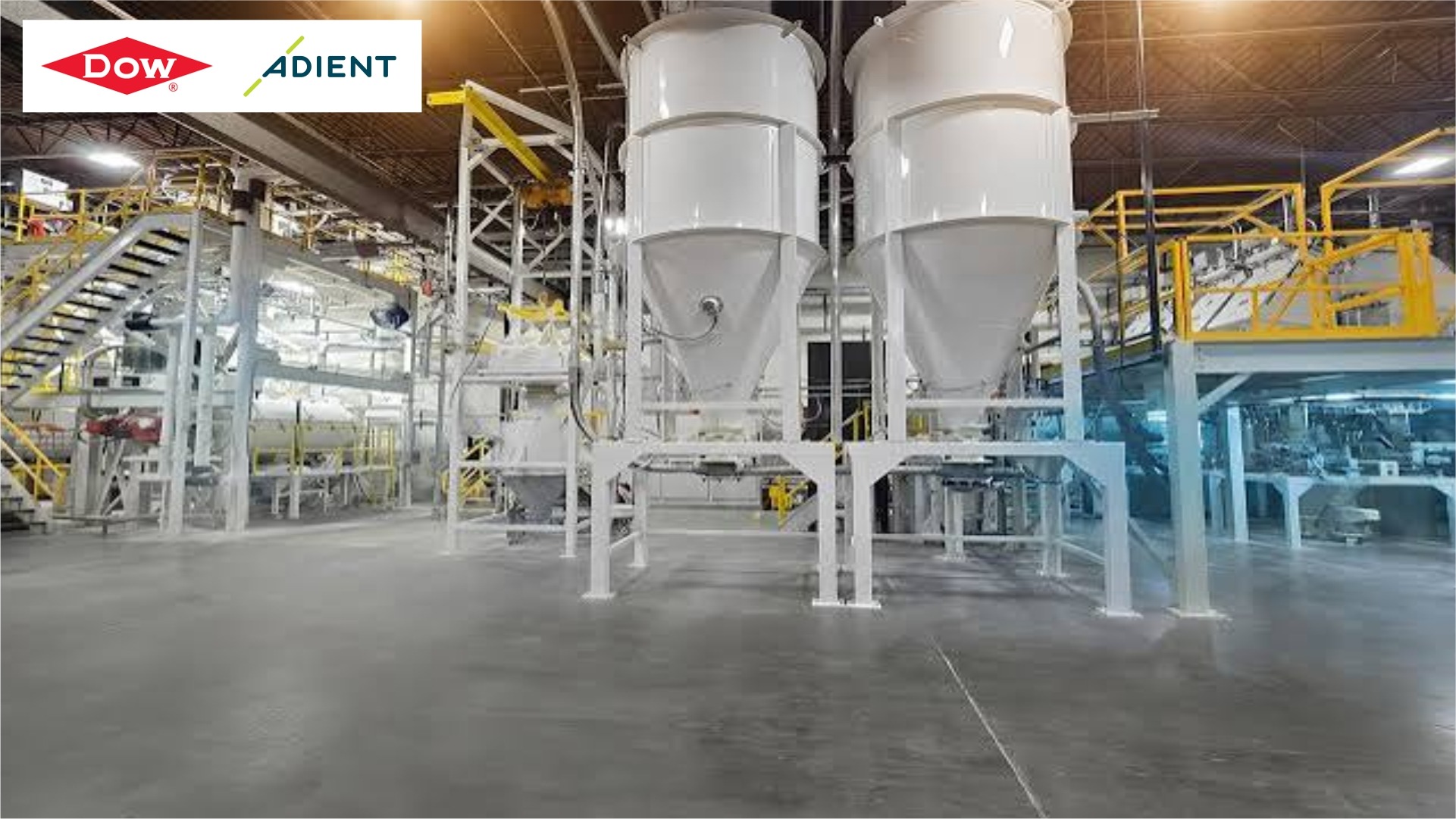
SPECFLEX REN has been developed as a direct alternative to conventional polyurethane seating foam, allowing manufacturers to integrate the material into existing production lines without requiring significant process modifications. The foam delivers the same levels of durability, comfort, resilience, and long-term performance expected for modern automotive seating applications.
According to the companies, the collaboration supports the automotive industry's increasing focus on reducing lifecycle emissions and expanding the use of renewable and circular materials in vehicle interiors. The launch also aligns with broader efforts to advance sustainable mobility through lower-carbon material solutions.
The launch of SPECFLEX REN demonstrates how collaboration across the value chain can accelerate the adoption of renewable materials while meeting the demanding performance requirements of automotive applications, the companies noted.
Adient will integrate the new foam into its seating portfolio, providing vehicle manufacturers with a solution that supports sustainability targets without affecting product quality or occupant comfort.
The introduction of SPECFLEX REN reflects growing demand for advanced polymer technologies that combine environmental benefits with production scalability. As automotive manufacturers continue pursuing lower-emission vehicles, renewable material solutions such as bio-circular polyurethane foams are expected to play an increasingly important role in reducing the environmental impact of interior components while maintaining high-performance standards.
Source: Dow Corporate | News