easyJet And Rolls-Royce Complete Full-Power Hydrogen Aero Engine Test
BY Composights
Published: 12 May 2026
Share :


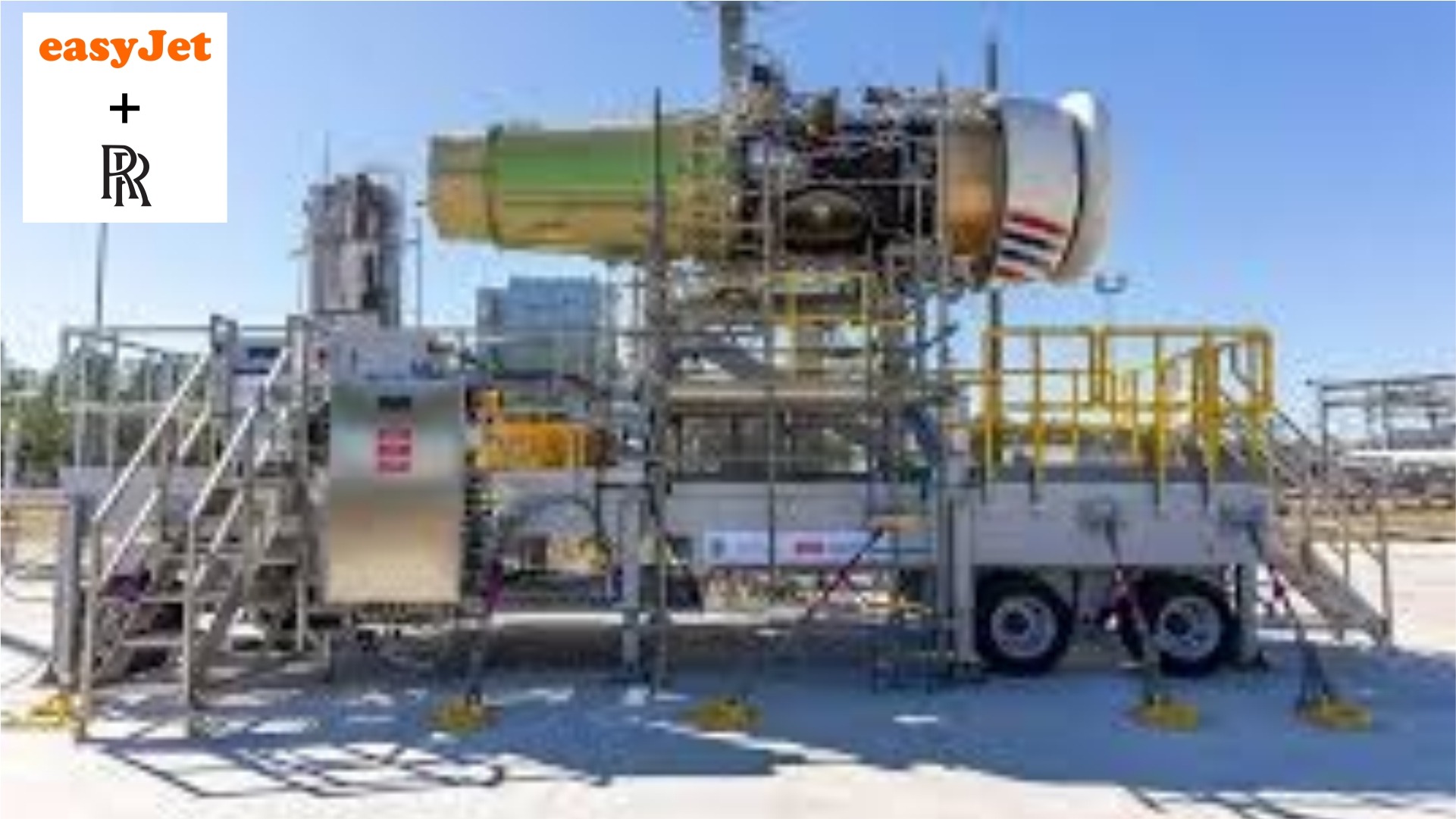
easyJet and Rolls-Royce have completed a full-scale hydrogen combustion test programme using a modified Rolls-Royce Pearl 15 aircraft engine, marking a major development in hydrogen-powered aviation research. The engine successfully operated on 100% hydrogen fuel while reaching full take-off power during testing at NASA s Stennis Space Center in Mississippi, U.S.
The milestone is the result of a four-year collaborative programme led by Rolls-Royce and easyJet focused on evaluating hydrogen combustion technology for future commercial aviation applications. The work has involved extensive testing of fuel delivery, combustion behavior, engine control systems, and operational safety under a wide range of simulated flight conditions.
According to Rolls-Royce, the programme explored replacement of conventional jet fuel with hydrogen while also assessing both carbon and non-CO impacts through a broad combustion research effort. Testing included maximum power operation, full-flight-cycle simulations, and fault-condition evaluations to validate safe hydrogen integration within a modern aero gas turbine platform.
David Morgan, Chief Operating Officer at easyJet, said:
This industry-first is a real testament to the progress our partnership with Rolls-Royce has achieved, taking hydrogen from early concept through to full engine build and successful testing in just a few years.
Demonstrating 100% hydrogen operation at scale is a significant milestone and marks an important step towards easyJet s net zero ambition, supporting the long-term transition to more sustainable aviation.
Adam Newman, Chief Engineer, Hydrogen Demonstrator Programme, Rolls-Royce, commented:
This programme has given us the clearest understanding in the industry of how hydrogen behaves in a modern aero gas turbine. Through a collaborative, staged testing approach, we have validated combustion, fuel and control system technologies, and demonstrated the safe use of hydrogen through design, commissioning, maintenance and testing.
We have explored a wide range of operating conditions, including fault scenarios, enabling operation at maximum power and across a full flight cycle. The pace of delivery has been critical, and the insights gained, many of which are fuel agnostic, will now be applied across our future programmes, including UltraFan , strengthening our confidence that the gas turbine will remain at the forefront of sustainable aviation s future.
The programme also highlights the growing role of advanced materials in future hydrogen-powered aircraft systems. Composite materials are expected to be critical for lightweight cryogenic hydrogen storage, thermal insulation structures, and next-generation aircraft architectures designed around alternative propulsion technologies.
Source: easyjet | News