• Article
  • News
  • About us
  • Contact us
  • Dashboard
  • Home News Fraunhofer HESTIA Project Advances Thermoplastic Composite Fuselage Manufacturing for Zero-Emission Aircraft

    Fraunhofer HESTIA Project Advances Thermoplastic Composite Fuselage Manufacturing for Zero-Emission Aircraft

    BY Composights

    Published: 22 May 2026

    Fraunhofer Institute for Material and Beam Technology IWS has provided new details on manufacturing and joining developments under the ongoing HESTIA research programme, an Airbus-led initiative focused on thermoplastic composite fuselage technologies for future zero-emission aircraft.

    The HESTIA project, launched under Germany s LuFo VI-3 aviation research framework and scheduled to continue through December 2026, is focused on developing ultra-lightweight fuselage shell concepts using fiber-reinforced thermoplastic composites. The program aims to reduce structural weight while supporting next-generation hydrogen and electric aircraft architectures that require highly efficient airframe systems.
    A major area of current development involves advanced joining and assembly technologies for large thermoplastic composite aircraft structures. Fraunhofer IWS is continuing work on its CONTIjoin laser joining technology, designed to enable automated welding and bonding of aerospace-grade thermoplastic components with improved manufacturing precision and scalability.

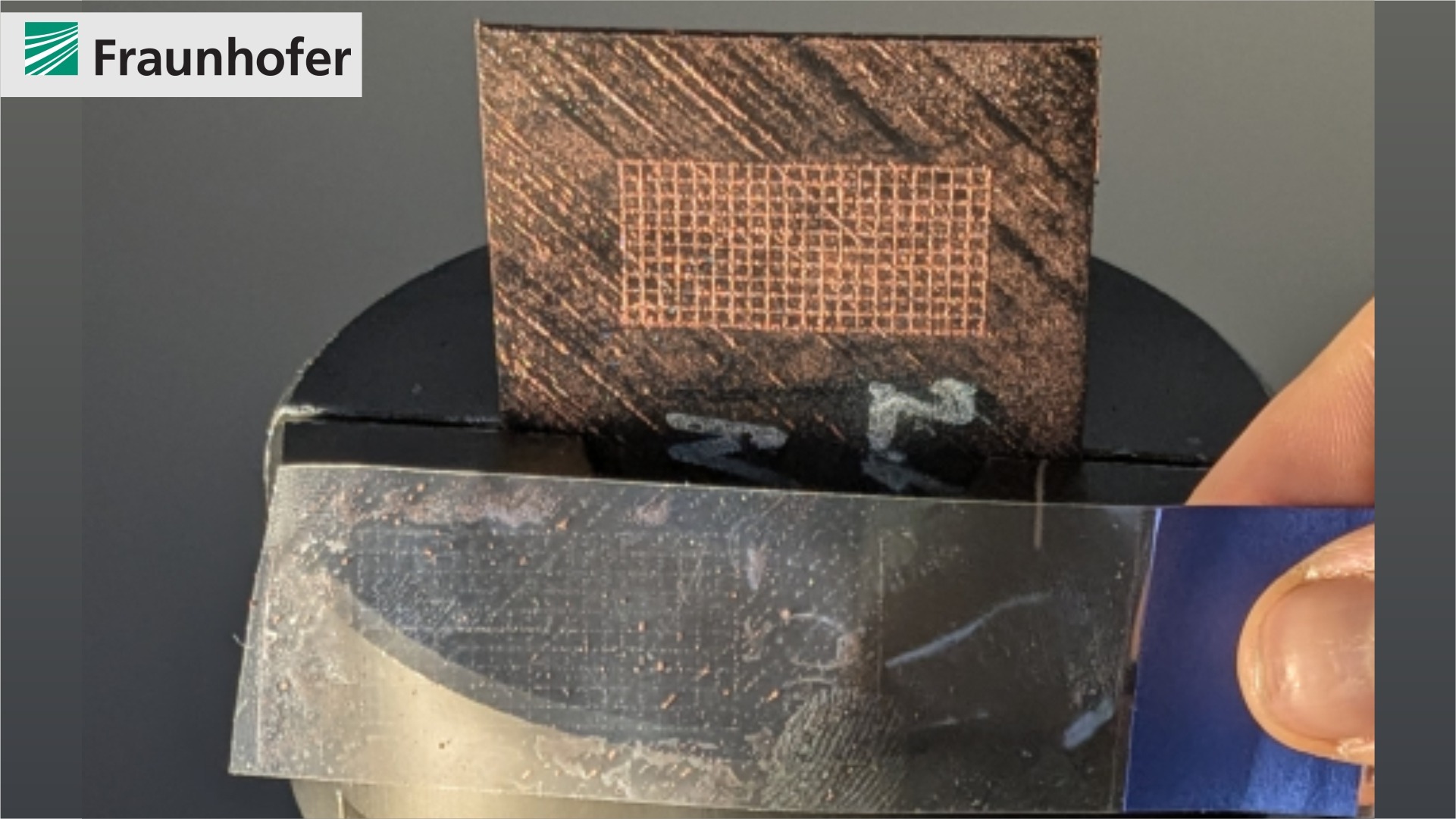
    Researchers are also developing methods to integrate electrically conductive layers into thermoplastic composite fuselage skins to maintain lightning strike protection across bonded joints and repair zones. The approach is intended to support safety requirements for large aircraft structures while enabling broader use of welded composite assemblies.

    Additional work within the project includes evaluation of AFP-compatible thermoplastic tapes and vitrimer-based material systems to improve processing efficiency, structural performance, and manufacturability of complex fuselage geometries. The technologies are being explored as part of broader efforts to support automated and recyclable aircraft production systems.

    The HESTIA consortium is coordinated by Airbus and includes participation from Airbus Aerostructures, DLR, CirComp, IVW, and several Fraunhofer institutes. The program focuses on manufacturing technologies and material systems that could support future low-emission commercial aircraft platforms.

    The latest developments reflect increasing aerospace industry interest in thermoplastic composite airframe architectures, where weldable structures, automated manufacturing processes, and recyclable materials are becoming increasingly important for next-generation aircraft development.

    Home News Fraunhofer HESTIA Project Advances Thermoplastic Composite Fuselage Manufacturing for Zero-Emission Aircraft

    Fraunhofer HESTIA Project Advances Thermoplastic Composite Fuselage Manufacturing for Zero-Emission Aircraft

    BY Composights

    Published: 22 May 2026

    Fraunhofer Institute for Material and Beam Technology IWS has provided new details on manufacturing and joining developments under the ongoing HESTIA research programme, an Airbus-led initiative focused on thermoplastic composite fuselage technologies for future zero-emission aircraft.

    The HESTIA project, launched under Germany s LuFo VI-3 aviation research framework and scheduled to continue through December 2026, is focused on developing ultra-lightweight fuselage shell concepts using fiber-reinforced thermoplastic composites. The program aims to reduce structural weight while supporting next-generation hydrogen and electric aircraft architectures that require highly efficient airframe systems.

    A major area of current development involves advanced joining and assembly technologies for large thermoplastic composite aircraft structures. Fraunhofer IWS is continuing work on its CONTIjoin laser joining technology, designed to enable automated welding and bonding of aerospace-grade thermoplastic components with improved manufacturing precision and scalability.

    Researchers are also developing methods to integrate electrically conductive layers into thermoplastic composite fuselage skins to maintain lightning strike protection across bonded joints and repair zones. The approach is intended to support safety requirements for large aircraft structures while enabling broader use of welded composite assemblies.

    Additional work within the project includes evaluation of AFP-compatible thermoplastic tapes and vitrimer-based material systems to improve processing efficiency, structural performance, and manufacturability of complex fuselage geometries. The technologies are being explored as part of broader efforts to support automated and recyclable aircraft production systems.

    The HESTIA consortium is coordinated by Airbus and includes participation from Airbus Aerostructures, DLR, CirComp, IVW, and several Fraunhofer institutes. The program focuses on manufacturing technologies and material systems that could support future low-emission commercial aircraft platforms.

    The latest developments reflect increasing aerospace industry interest in thermoplastic composite airframe architectures, where weldable structures, automated manufacturing processes, and recyclable materials are becoming increasingly important for next-generation aircraft development.