Safran to Invest €450 Million in New Carbon Brake Production Facility
BY Composights
Published: 22 Aug 2025


Safran announced that its
Board of Directors has approved the establishment of a new aircraft carbon
brake production facility at the Plaine de l Ain Industrial Park (PIPA)
near Lyon, in the Auvergne-Rh ne-Alpes region. Scheduled to begin
operations in 2030, the state-of-the-art 30,000 m (323,000 sq. ft)
site will support a 25% increase in Safran s carbon brake production
volumes by 2037.
The investment, exceeding 450
million, underscores Safran Landing Systems strategy to strengthen
its global leadership in carbon brakes. The new facility will join existing
plants in Villeurbanne (France), Walton (USA), and Sendayan (Malaysia).
Initially employing 100 highly qualified staff, the workforce is expected to
double at full capacity.
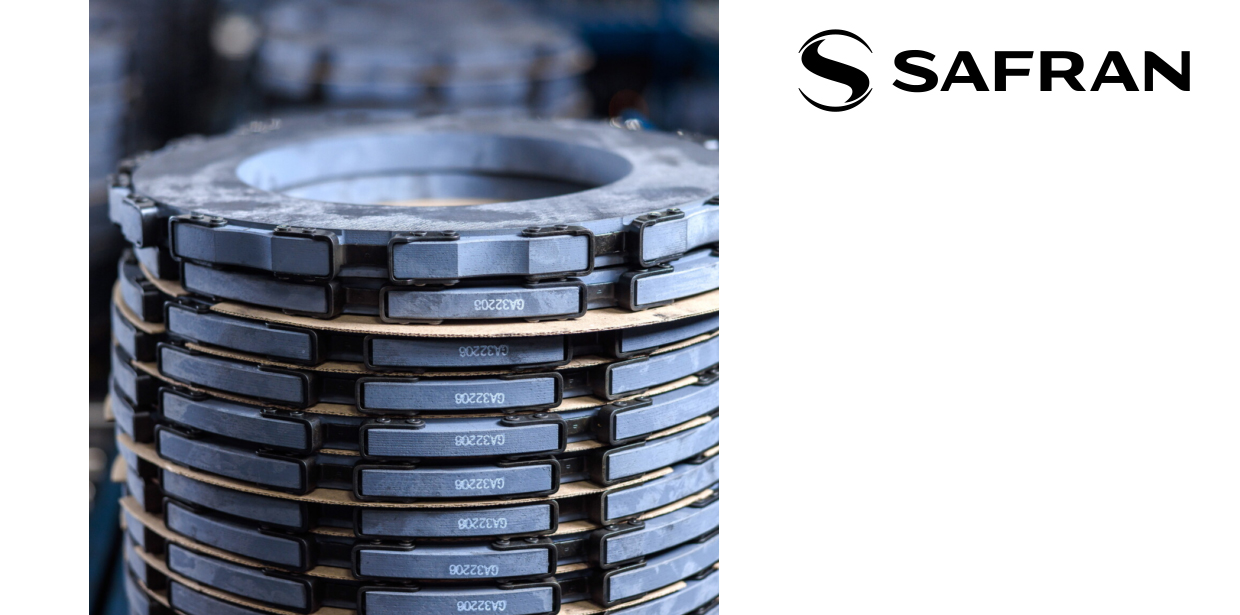
Given that energy accounts for nearly
30% of carbon brake manufacturing costs, the site was chosen for its
secure, long-term access to low-carbon, competitively priced electricity. The
plant will feature advanced automation, a high-standard working environment,
and technologies enabling zero emissions operations. It will use biomethane
and low-carbon electricity, cutting energy use by 30% and water
consumption by 80%, while recovering process heat to supply a local
heating network.
With this new facility, we re
strengthening our global leadership in carbon brakes and ensuring our ability
to support our customers, against a backdrop of strong air traffic growth,
said Olivier Andri s, CEO of Safran. He credited the French government,
regional authorities, EDF, and grid operator RTE for their support in enabling
the project.
Safran Landing Systems currently
equips 55% of commercial airliners with over 100 seats and
supports more than 500 airlines worldwide. Carbon brakes are lighter,
more efficient, and three times more durable than steel brakes, helping
airlines reduce fuel consumption and operating costs.
Source: www.safran-group.com