Sonichem is leading a £600K Innovate UK-funded consortium to revolutionize the automotive industry with sustainable, bio-based materials.
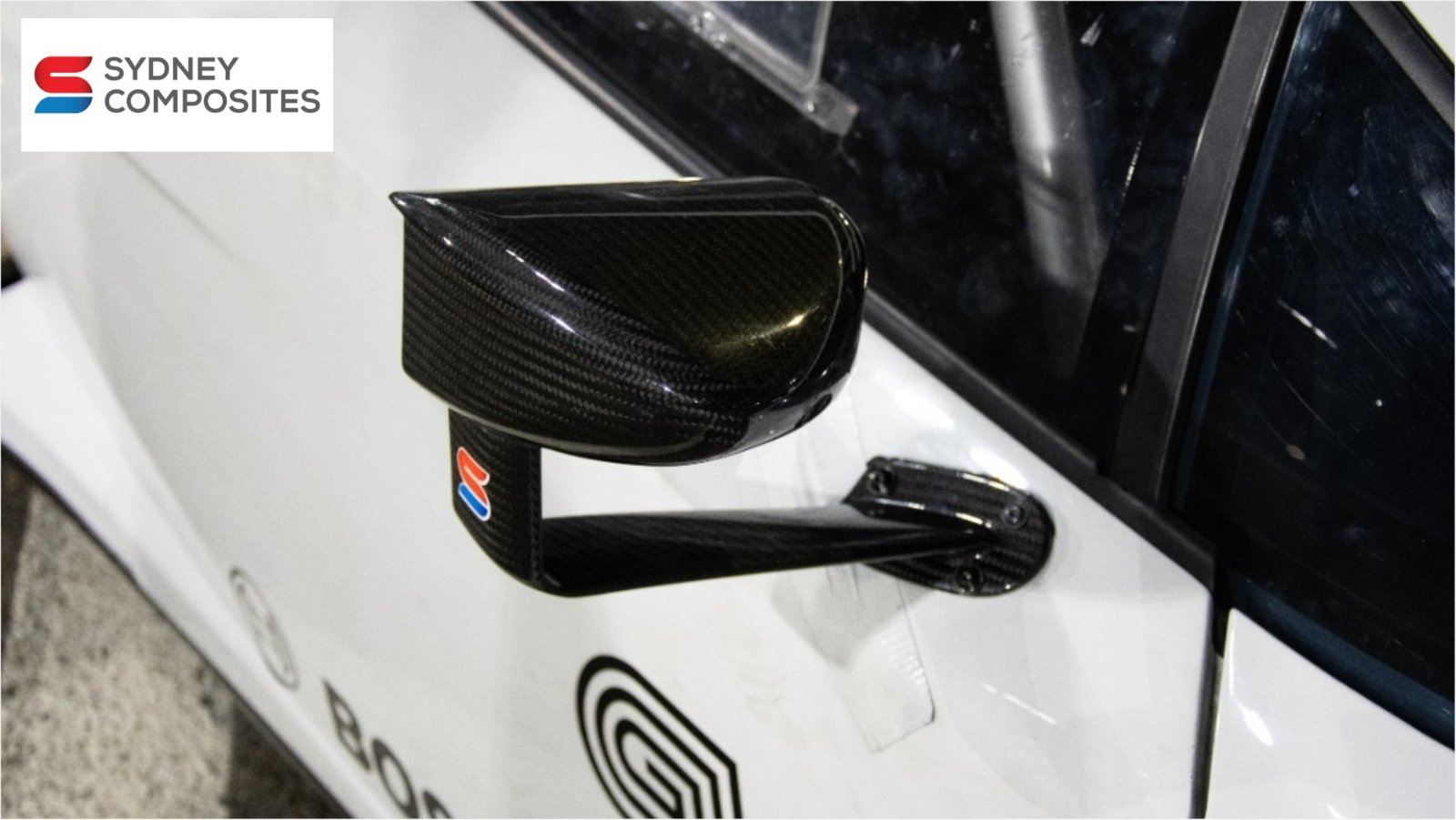
It's no secret that the transport sector is under significant pressure to decarbonise. Plastics have been used for an ever-increasing number of vehicle components over the last few decades - from dashboards, bodywork and seating to battery packs, fixings and thermal management systems in the latest electric vehicles - and typically account for 50 percent of total car volume today.
Unfortunately, the global transport sector generates over 350 million tonnes of plastic waste every year, since the majority of this plastic content is not recovered from end-of-life vehicles and instead enters landfill or is incinerated, representing a significant environmental threat.
Decarbonising Transport: One emerging solution to this problem is biorefining, which offers a method of processing low-carbon feedstocks - such as lignin - into intermediate chemicals that can be made into renewable plastics for vehicles, replacing fossil-derived chemicals and helping to lower the carbon emissions of automotive production. Lignin is the world's second-most abundant natural biopolymer and presents a plentiful alternative to the finite, conventional petrochemical-based feedstocks currently used to produce plastics, resins and composites for the automotive industry.
However, traditional biorefining technologies are not achieving their full potential, as they are inefficient, and produce degraded and chemically altered lignin, discouraging uptake for performance applications.
Ultrasonic Biorefining: The challenges facing biorefining in the UK are what prompted Sonichem to develop a novel ultrasonic processing technology. Their unique patented technique uses ultrasound to fractionate woody biomass into hemicellulose sugars, microcrystalline cellulose and lignin, which can then be used as low-carbon feedstocks for platform chemicals used in a range of applications including pharmaceuticals, food and drink, cosmetics and vehicles. The group's award-winning process efficiently extracts high-quality, low molecular weight lignin from UK-sourced Sitka spruce biomass, sawdust that is generated as a by-product of forestry operations.
Sonichem's CARMA Project: This game-changing technology is laying the groundwork for the shift away from current energy- and resource-intensive bioprocessing and chemical manufacturing approaches. The group has recently embarked on their groundbreaking CARMA - carbon-neutral agroforestry-derived resins to materials for automotive applications - project, in collaboration with an international consortium of industry leaders. Their consortium has been awarded almost £600,000 in funding through Innovate UK's 'Resource efficiency for materials and manufacturing' (REforMM) collaborative research and development competition.
CARMA will be undertaken jointly with the Centre for Process Innovation (CPI), Scott Bader, the National Composites Centre (NCC), Polestar and SHD Composites, with each party bringing their own extensive expertise and technical knowledge to the table. CPI will support the optimisation and commercial scale-up of the existing Sonichem pilot plant, enabling them to establish a financially viable and consistent supply of lignin for the resin and composite manufacturing sector.
Source: Sonichem