German space company Isar Aerospace has successfully reached orbit with its Spectrum launch vehicle, marking the first successful orbital launch by a European commercial launch company from continental Europe. Spectrum lifted off from Andøya Spaceport in Norway on September 5, 2026, at 22:12 CEST during the “Onward and Upward” mission.
The milestone also demonstrates the performance of carbon composite structures in launch vehicles. Spectrum’s primary structure is made from lightweight carbon composite, providing the low structural mass required for orbital launch applications while supporting Isar Aerospace’s highly automated manufacturing approach. The company has developed and manufactures its launch vehicles largely in-house.
Spectrum is a 28-meter-tall, two-stage rocket with a 2-meter diameter and 10 engines. It is designed to carry payloads of up to 1,000 kg to low Earth orbit (LEO). During the latest mission, the launcher completed stage separation, second-stage ignition, fairing jettison, orbital insertion, and payload deployment.
The mission carried five CubeSats and one technology experiment, with the payloads selected through the German Space Agency at DLR’s Microlauncher Competition and supported by the European Space Agency’s Boost! program. The successful flight makes Isar Aerospace the first provider selected under the European Launcher Challenge to achieve its required orbital milestone.
Carbon Composites Support Production Scale-Up
Beyond the flight milestone, Isar Aerospace is targeting serial production of Spectrum. Launch vehicles 3 through 7 are already in production, while a new 40,000-square-meter integrated manufacturing facility near Munich is nearing completion. Once operational, the facility is designed to support production of up to 40 launch vehicles per year.
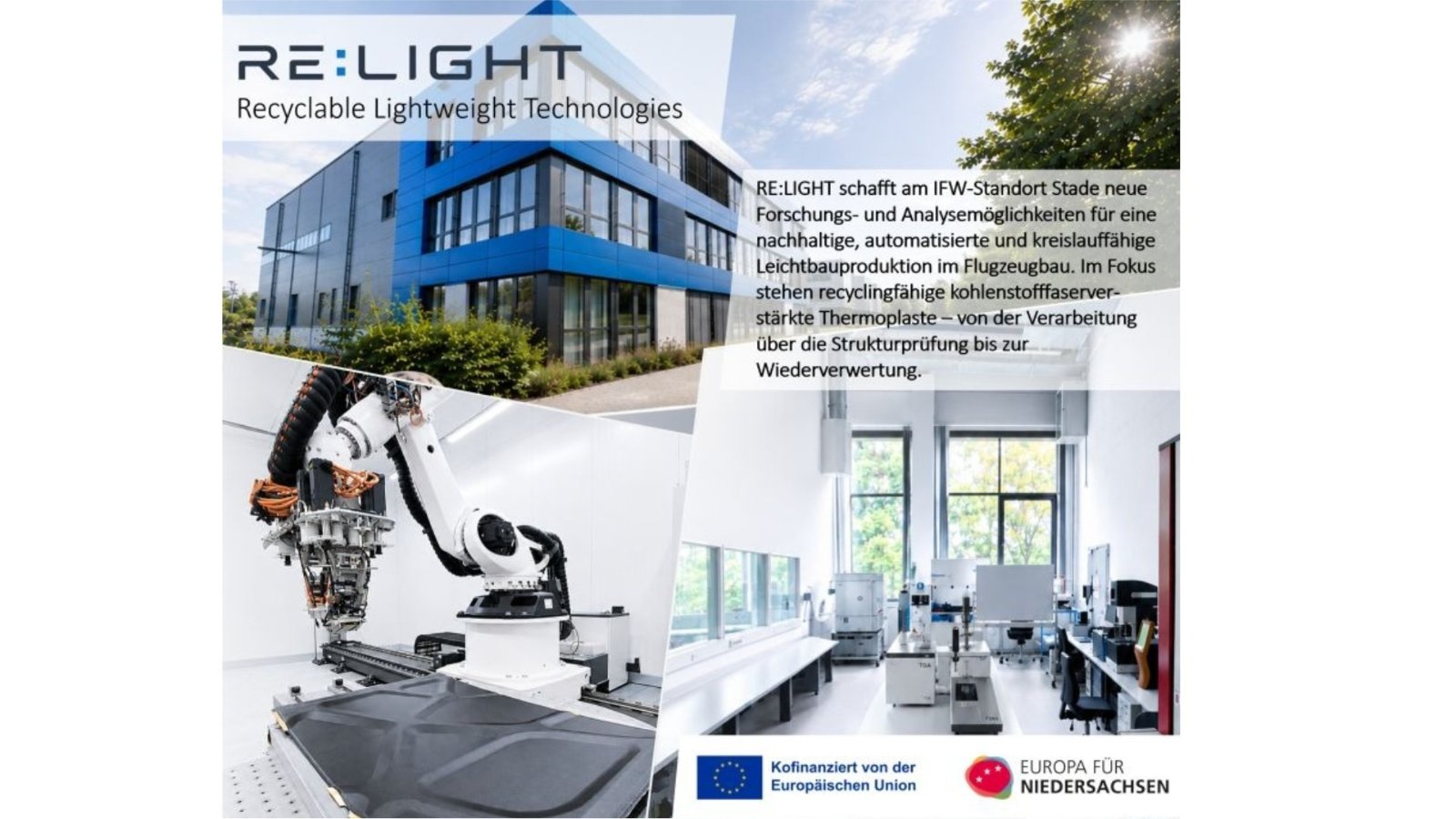
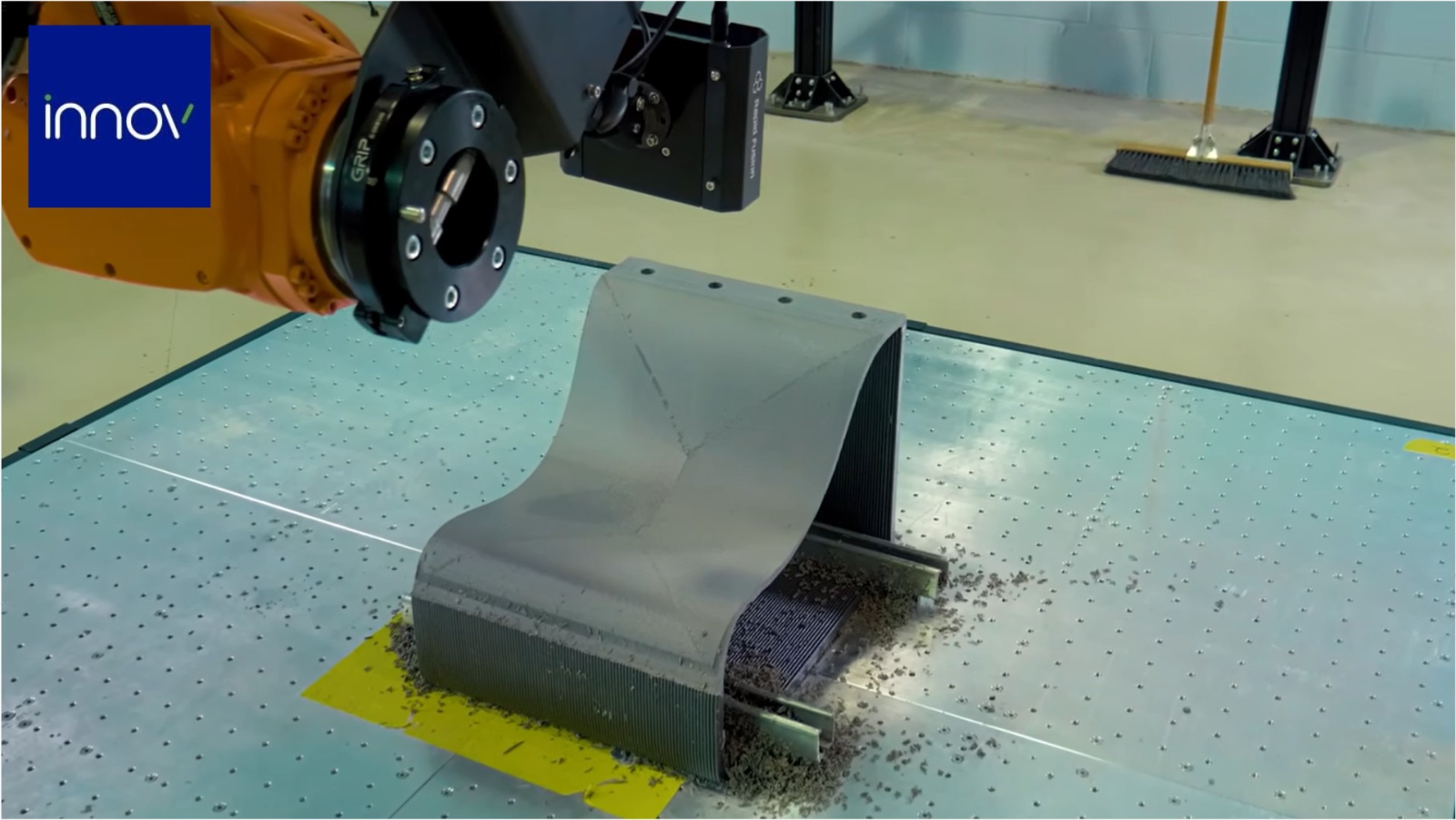
The company’s automated production process is designed to make the manufacture of high-performance carbon-composite rocket structures more repeatable and scalable. This combination of carbon composites, vertical integration, and automation is intended to support higher launch cadence as Isar Aerospace expands its commercial launch operations.
The successful Spectrum flight therefore represents both an orbital milestone for European space transportation and a demonstration of how carbon composite structures can be integrated into an automated, series-production model for launch vehicles.
Source: European Space Agency | News